Translate

miércoles, 7 de agosto de 2024

A Lamp in the Dark


PART I : A LAMP IN THE DARK

This exciting documentary unfolds the fascinating "untold" history of the Bible, revealing critical information often overlooked in modern histories. Enter into a World of saints and martyrs battling against spies, assassins and wolves in sheep's clothing. Learn the stories of valiant warriors of faith, such as John Wycliffe, William Tyndale, Martin Luther, the ancient Waldenses, Albigenses, etc. 

Director: Christian J. Pinto 

Writer: Christian J. Pinto 

Stars: David Brown, Kirk Divietro, Jack Moorman


PART II : TARES AMONG THE WHEAT

The sequel to "A Lamp in the Dark". Tares Among the Wheat will likely challenge what most scholars believe about Bible history, and the origins of modern Textual Criticism. In the 19th century, a revolution in biblical scholarship was prompted by the publication of a never-before-seen manuscript called Codex Sinaiticus. The work was discovered by a German scholar named Constantine von Tischendorf, who declared it to be the oldest Bible ever found. Yet shortly after his discovery was published, a renowned Greek paleographer named Constantine Simonides came forward and declared that the manuscript was no ancient text at all, but had been created by him in 1840. The controversy surrounding these events is, perhaps, the most incredible untold chapter in Bible history. It involves the Jesuits, the Pope, a high-minded German, a collection of Anglo-Catholics, and a mysterious Greek patriot. It is a story that (while quite true and well documented) a vast majority of modern academics know nothing about. Yet the subject matter dramatically impacts the world's understanding of biblical scholarship to this day, and the footnotes in your Bible are the proof of it.

 http://www.adullamfilms.com/TaresAmon... 


PART III : BRIDGE TO BABYLON (ROME, ECUMENISM & THE BIBLE)

Synopsis: In 1881, two scholars named Westcott and Hort published a revision of the New Testament that would send shockwaves through the academic world. Their new textual theory declared that the King James Version (which had been trusted for centuries) was full of errors. Sacred readings, long cherished by the faithful, were now declared to be forgeries. The world was informed that the book, which had been called the inerrant Word of God, was in need of correction. The new theory claimed that recently recovered manuscripts revealed a truer version of Scripture. Yet others warned that these manuscripts were, in fact, the creation of early Gnostic heretics that had been rightly abandoned centuries before. Was the new revision filled with ancient corruptions? Follow the story of the Bible’s controversial history into the twentieth century, as the work of Westcott and Hort would transform biblical scholarship, inspire the work of various Bible Societies, and pave the way for the cause of ecumenical unity between Evangelical Protestants and Rome. 

Information covered in this documentary: 

1) The history of the Revision of the Bible in 1881. 

2) The objections of Dean John W. Burgon concerning the “new Greek text” invented by Anglican scholars, B.F. Westcott and F.J.A. Hort. 

3) The analysis of George Sayles Bishop, R.L. Dabney and William G. Blaikie who likewise opposed the Revision of Westcott and Hort in the 19th century. 

4) Proof that the purpose of the Revision was to overthrow the Received Text of the Protestant Reformation. 

5) The warnings of Dr. F.H.A. Scrivener who declared that the theory behind the new Greek text was based on conjecture and fantasy. 

6) The “Romish” doctrines of Westcott and Hort, as revealed in their letters, along with admissions of willful deception and heresy. 

7) The warnings of early Church fathers concerning the corruptions of Gnostic heretics who altered ancient manuscripts in the early centuries. 

8) Examples from the Critical Text of what are believed to be Gnostic influences that currently influence the majority of modern bibles. 

9) How the work of Westcott and Hort was transformed into the Nestle-Aland Greek text, used by the vast majority of Bible colleges and universities, as well as most Bible translations. 

10) The beliefs of Dr. Kurt Aland (the chief influence behind the Nestle-Aland Greek text) who denied the apostolic authorship of the New Testament, and suggested that Jesus may have been a mere “phantom.” 

11) The influence of Dr. Bruce Metzger, a leading Bible critic of the 20th century (who worked on the RSV and NRSV translations) and his denial of the authorship of Moses in the Old Testament. 

12) The influence of William Cameron Townsend, founder of Wycliffe Bible Translators, and Dr. Eugene Nida, father of the dynamic equivalence method of Bible translation (i.e. paraphrase). 

13) The development of “bridge bibles” and what they mean. 

14) The discovery of the Bodmer Papyri by a Jesuit priest. 

15) Proof that the discovery of the Bodmer Papyri is associated with ancient Gnostic groups from the Nag Hammadi region of Egypt. 

16) The influence of Rome, her Jesuits, and the ecumenical movement in the development of a single Greek text, as the “one world Bible” to unify all churches. 

17) Discussion with Dr. James White (author of The King James Only Controversy) concerning his defense of the Critical Text and modern versions in general. 

Featured Speakers: Dr. Phil Stringer, Dr. David Brown, David Daniels, Dr. D.A. Waite, Dr. Jack Moorman, Dr. Kirk DiVietro, Dr. H.D. Williams, Dr. Ronald Cooke & Dr. James R. White. 

Bridge To Babylon is the sequel to 'A Lamp in the Dark' and 'Tares Among The Wheat' from The Untold History Of The Bible documentary series. 


+++

lunes, 5 de agosto de 2024

La Quema de William Tyndale


 ENGLISH VERSION HERE:The Burning of William Tyndale


William Tyndale, el hombre que tradujo la Biblia al inglés y fue quemado vivo a la ridícula edad de 42 años, por sus esfuerzos. (Libro de los mártires, googlee: Foxe). 

Hace casi 500 años, esta semana, William Tyndale, llamado cariñosamente 'Padre de la Biblia en inglés,' fue estrangulado y quemado en la hoguera después de ser juzgado y condenado por herejía y razón por traducir la Biblia al inglés.


"SU OFENSA" 

Tradujo la Biblia griega al inglés. 

El hecho de que tengas una Biblia en un idioma que puedas leer se debe en gran medida a su labor, y muchas de las frases que lees en ella conservan el sabor de su comprensión del griego y el hebreo. 

Tyndale, graduado de Oxford y Cambridge, tenía un poderoso deseo de hacer que la Biblia estuviera disponible incluso para la gente común de Inglaterra, a fin de corregir la "ignorancia bíblica de los sacerdotes". En un momento, Tyndale le dijo a un sacerdote: "Si Dios me perdona la vida, si pasan muchos años, haré que un niño que conduce el arado sepa más de las Escrituras que tú."

Hoy en día, el 90% de la versión King James de la Santa Biblia y el 75% de la versión estándar revisada provienen de la traducción realizada por Tyndale, un hombre a quien le debes más de lo que jamás imaginarás. 

Un lindo sueño, pero ¿cómo iba a cumplir Tyndale su tarea, cuando traducir la Biblia al inglés era ILEGAL en ese momento? 

Fue a Londres para preguntarle al obispo Tunstall si podía autorizarlo a hacer una traducción de la Biblia al inglés, pero el obispo no le concedió su aprobación.

Sin embargo, Tyndale no permitió que la desaprobación de los hombres le impidiera llevar a cabo lo que parecía tan obviamente la voluntad de Dios. Con el estímulo y el apoyo de algunos comerciantes británicos, decidió ir a Europa para completar su traducción, luego imprimirla y llevarla de contrabando a Inglaterra. 

En 1524 Tyndale zarpó hacia Alemania. En Hamburgo trabajó en el Nuevo Testamento y en Colonia encontró un impresor que imprimiría la obra. Sin embargo, la noticia de la actividad de Tyndale llegó a un oponente de la Reforma que hizo allanar la prensa. 

El propio Tyndale logró escapar con las páginas ya impresas y se dirigió a la ciudad alemana de Worms, donde pronto se publicó el Nuevo Testamento. 

Se imprimieron seis mil ejemplares y se introdujeron de contrabando en Inglaterra.

Los obispos hicieron todo lo posible para erradicar las Biblias. El obispo Tunstall hizo quemar copias ceremoniosamente en St. Paul's; el arzobispo de Canterbury compró copias para destruirlas. ¡Tyndale usó el dinero para imprimir ediciones mejoradas! 

Tyndale continuó ocultándose entre los comerciantes de Amberes y comenzó a traducir el Antiguo Testamento mientras los agentes del rey lo buscaban por toda Inglaterra y Europa. 

 Una copia de "La obediencia de un hombre cristiano" de Tyndale cayó en manos de Enrique VIII, proporcionando al rey la justificación para separar la Iglesia en Inglaterra de la Iglesia Católica Romana en 1534. En 1535, Tyndale fue arrestado y encarcelado en el castillo de Vilvoorde (Filford) en las afueras de Bruselas durante más de un año. 

El trabajo de Tyndale fue denunciado por las autoridades de la Iglesia Católica Romana y el propio Tyndale fue acusado de herejía.

Tyndale, de 42 años, finalmente fue encontrado por un inglés que se hizo pasar por su amigo pero luego lo entregó a las autoridades. Después de un año y medio de prisión, fue juzgado por herejía, POR CREER, entre otras cosas, EN EL PERDÓN DE LOS PECADOS y que LA MISERICORDIA OFRECIDA EN EL EVANGELIO ERA SUFICIENTE PARA LA SALVACIÓN. En agosto de 1536, fue condenado y ejecutado [quemado vivo en la hoguera] públicamente el 6 de octubre de 1536, en un pequeño pueblo de Bélgica. 

Mientras moría quemado, Tyndale supuestamente dijo: "Señor, abre los ojos del rey de Inglaterra."


¿FUE RESPONDIDA SU ORACIÓN? ¡SÍ! 

La oración fue respondida en parte por primera vez cuando tres años más tarde, en 1539, Enrique VIII exigió que todas las iglesias parroquiales de Inglaterra pusieran una copia de la Biblia en inglés a disposición de sus feligreses. Hoy, la oración de Tyndale ha sido plenamente respondida: no sólo se abren los ojos del Rey, sino que la Biblia es un instrumento universal.

* En 1611, los 54 eruditos que produjeron la Biblia King James se basaron en gran medida en Tyndale, así como en traducciones que descendieron de la suya. 

* En 2002, Tyndale ocupó el puesto 26 en la encuesta de la BBC sobre los 100 británicos más grandes; pero en el cielo seguramente estaría antes que los 25 anteriores.

Una pieza de la historia muy importante e interesante que vale la pena conocer y apreciar por todos los creyentes. Y que nos *desafía* a dedicar tiempo de calidad a este mismo libro glorioso por el que este gran siervo literalmente dio su vida. 

Hoy en día es difícil imaginar el mundo sin una Biblia en inglés, y ahora podrían existir hasta 900 traducciones de este tipo, pero antes de Tyndale esto nunca había sucedido. Se le conoce como el padre de la Biblia en inglés, ya que la obra posterior y trascendental de la versión King James de la Biblia consistió en gran medida en las traducciones eruditas y accesibles de Tyndale. 

El idioma inglés, al igual que la comprensión académica, continúa evolucionando, y por eso el trabajo de traducción de la Biblia continúa hoy. 

 Pero sin el coraje y el genio de hombres como Tyndale, que desafiaron el status quo antes que ellos y murieron por hacerlo, tal vez nunca hubiera sido posible.

+++

miércoles, 31 de julio de 2024

The Burning of William Tyndale


William Tyndale, the man who translated the Bible into English and was burnt alive at the ridiculous young age of 42 years old, for his efforts. (Google Foxe's book of Martyrs.)
 
Nearly 500 years ago, this week, William Tyndale, fondly called 'Father of the English Bible' was strangled and burned at the stake after being tried and convicted of heresy and reason for translating the Bible into English.
 
 
"HIS OFFENSE"
 
He translated the Greek Bible into English.
 
That you have a Bible in a language you can read is largely due to his labours, and many of the very phrases you read in it retain the flavour of his understanding of the Greek and Hebrew.
 
A graduate of Oxford and Cambridge, Tyndale had a powerful desire to make the Bible available even to the common people in England, in order to correct the 'Biblical ignorance of the priests.' At one point Tyndale told a priest, "If God spares my life, are many years pass, I will cause a boy that driveth the plow, shall know more of the Scriptures than thou dost."
 
Today, 90% of the King James Version of the Holy Bible and 75% of the Revised Standard Version are from the translation made by Tyndale, a man to whom you owe more than you'll ever know.
 
A nice dream, but how was Tyndale to accomplish his task, when translating the Bible into English was ILLEGAL at the time?'
 
He went to London to ask Bishop Tunstall if he could be authorized to make an English translation of the Bible, but the Bishop would not grant his approval.
 
However, Tyndale would not let the disapproval of men stop him from carrying out what seemed so obviously God's will. With encouragement and support of some British merchants, he decided to go to Europe to complete his translation, then have it printed and smuggled back into England.
 
In 1524 Tyndale sailed for Germany. In Hamburg, he worked on the New Testament, and in Cologne, he found a printer who would print the work. However, news of Tyndale's activity came to an opponent of the Reformation who had the press raided.
 
Tyndale himself managed to escape with the pages already printed and made his way to the German city Worms where the New Testament was soon published.
 
Six thousand copies were printed and smuggled into England.
 
The Bishops did everything they could to eradicate the Bibles. Bishop Tunstall had copies ceremoniously burned at St. Paul's; the Archbishop of Canterbury bought up copies to destroy them. Tyndale used the money to print improved editions!
 
Tyndale continued hiding among the merchants in Antwerp and began translating the Old Testament while the King's agents searched all over England and Europe for him.
 
A copy of Tyndale's "The Obedience of a Christian Man" fell into the hands of Henry VIII, providing the king with the rationale to break the Church in England from the Roman Catholic Church in 1534.
In 1535, Tyndale was arrested and jailed in the castle of Vilvoorde (Filford) outside Brussels for over a year.
 
Tyndale’s work was denounced by authorities of the Roman Catholic Church and Tyndale himself was accused of heresy.
 
Tyndale, 42 was finally found by an Englishman who pretended to be his friend but then turned him over to the authorities. After a year and a half in prison, he was brought to trial for heresy -- FOR BELIEVING, among other things, IN THE FORGIVENESS OF SINS and that THE MERCY OFFERED IN THE GOSPEL WAS ENOUGH FOR SALVATION. In August 1536, he was condemned and was executed [burned alive at the stake] publicly on October 6, 1536, in a small town in Belgium.
 
As he burnt to death, Tyndale reportedly said "Lord, open the king of England's eyes."
 
WAS HIS PRAYER ANSWERED? YES! 
 
The prayer was answered first in part when three years later, in 1539, Henry VIII required every parish church in England to make a copy of the English Bible available to its parishioners. Today, Tyndale's prayer is fully answered, not only are the King's eyes opened, but the Bible a universal instrument.
 
* In 1611, the 54 scholars who produced the King James Bible drew significantly from Tyndale, as well as from translations that descended from his.
 
* In 2002, Tyndale was placed at number 26 in the BBC's poll of the 100 Greatest Britons; but in heaven he surely would be before the preceding 25.
 
A very important and interesting piece of history worth knowing and appreciating by all believers.
And may it *challenge* us to spend quality time in this same glorious book that this great servant literally gave his life for.
 
Today it's hard to imagine the world without an English Bible, and there could now be as many as 900 of such translations in existence – but before Tyndale it had never happened. He's known as the Father of the English Bible, since the later, epochal work of the King James Version of the Bible largely consisted of Tyndale's scholarly and accessible translations.
 
The English language, as with scholarly understanding, continues to evolve – and so the work of Bible translation continues today.
 
But without the courage and genius of men like Tyndale, who challenged the status quo before them and died for doing so, it might never have been possible.


May be an image of 1 person and text that says 'At 42 years old, Tyndale was burned alive at the stake by the Roman Catholic Church for translating the Bible from Latin into English so people could read it themselves. He walked himself to the stake and sang hymns while the fires engulfed him. "I "Idefy the Pope and all his laws.. ..If God spare Ty life ere many years,I years, will cause a boy that driveth the plow, shall know more of the Scripture than thou dost." И Villiam Tyndale 1494-1536 -1536 1494'


domingo, 21 de julio de 2024

Charlotte's Testimony


 Testimony of the nun Charlotte, it is the true story and experience of a young woman who decides to dedicate her life to God with the consent of her parents, thinking that it was the best for her. 

Over the years in a convent she realizes many things, which is why she decided to give her testimony once she manages to escape from that Papist convent. 

The story is told in first person. It is a strong story so discretion is requested with minors, however parents are asked to first listen to it and then decide if they allow them to listen to it.

At the age of 16 1/2 years old, Sister Charlotte, entered the White Veil (open convent) as a nun to serve the Lord. When 21 years old she entered the Black Veil (closed convent) where she endured starvation, sexual attacks and torture until her escape 22 years later. 


Versión en ESPAÑOL: Testimonio de Charlotte

domingo, 7 de julio de 2024

Testimonio de Charlotte


Testimonio de la monja Charlotte, es la historia real y experiencia de una joven que decide dedicar su vida a Dios con el consentimiento de sus padres, pensando que era lo mejor para ella. 

Al paso de los años en un convento se da cuenta de muchas cosas, por las que ella decidió dar su testimonio una vez que logra escapar de ese convento papista

La historia esta narrada en primera persona. Es una historia fuerte por lo que se pide discreción para con los menores, sin embargo se pide a los padres primero escucharla y despues decidir si permiten escucharla. 

A la edad de 16 años y medio, la hermana Charlotte ingresó al Velo Blanco (convento abierto) como monja para servir al Señor. Cuando tenía 21 años ingresó al Velo Negro (convento cerrado) donde soportó hambre, ataques sexuales y torturas hasta su fuga 22 años después.


Historia completa aquí: https://www.youtube.com/watch?v=NDiW5dQQMaA&list=PLYgMJBjHdj0jqLYHQfXCCvEuyE8PoRwV3

martes, 2 de abril de 2024

The Holy Bible Audiobook


In the beginning God created the heaven and the earth.

 And the earth was without form, and void; and darkness was upon the face of the deep. And the Spirit of God moved upon the face of the waters...


The Holy Bible KJV Dramatized Audiobook

 Click here: Playlist of the books from the Holy Bible


+++


lunes, 18 de marzo de 2024

Чистый понедельник — первый день Великого поста


Чистый понедельник

Чистый понедельник — это первый день Великого Поста. Великий Пост для христиан — трудное, но одновременно радостное время. Мы готовимся к Пасхе, главному Празднику, и подготовка эта должна быть серьезной. Целых шесть недель (недели называются седмицами) длится воздержание в пище, молитва и другие ограничения.

Последняя неделя перед Пасхой, Страстная. Люди вспоминают страдания и смерть Христа. В эти дни пост особенно строгий.

Христиане подражают сорокадневному посту Спасителя. И стараются подготовить себя ко встрече с Христом Воскресшим. Чистый понедельник — начало этого пути.

Духовный смысл чистого понедельника

Чистый понедельник открывает путь к Пасхе. Это — время задуматься о том, как проходит жизнь, нет ли в ней грязных помыслов, от которых надо очистить душу. Недаром пост в Чистый Понедельник особенно строг. Ничто земное не должно отвлекать от духовного, от близости Пасхи.

Чистый понедельник — день молитвы и вхождения в Великий пост. День, в который мы стараемся стать достойными Христа, Его великой жертвы за нас.
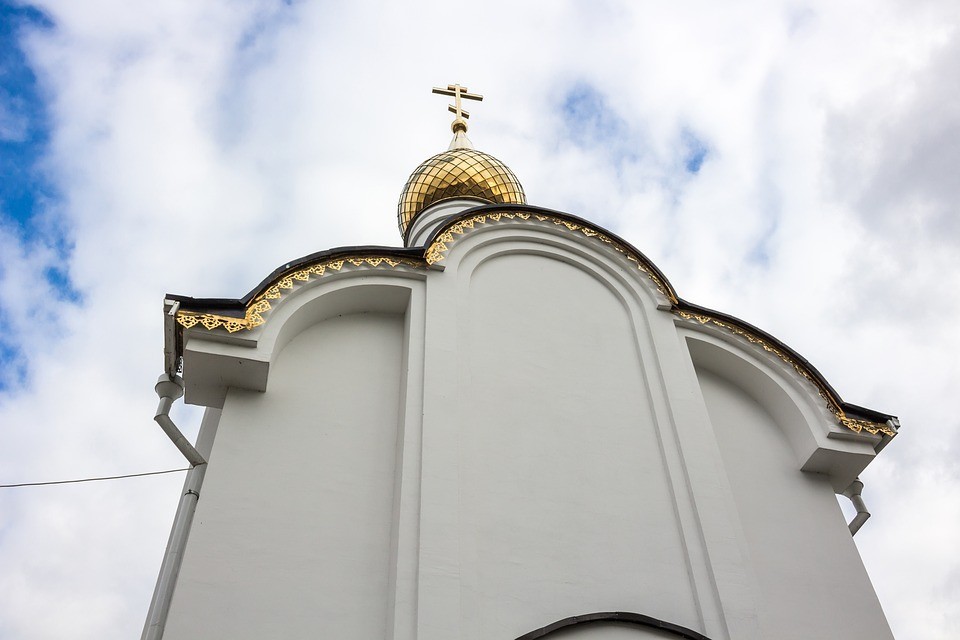
Чистый понедельник - начало Великого поста

Традиции первого дня Великого поста

Чистый понедельник обычно считают днем, когда принято убирать жилище и выкидывать старые вещи. Отчасти, в этом есть духовный смысл — человек избавляется от земного, ненужного, наносного и приводит в порядок душу, тело и ум. Но главный смысл Чистого понедельника, конечно, не в уборке, а в стремлении и готовности очистить помыслы, приготовиться к Великому посту.

Другие народные верования, связанные с тем, что во рту не должно быть никакой пищи и, если с утра человек забыл прополоскать остатки еды — пост не удался, относятся к суевериям.

Ведь главное в посте — не диета, а именно духовный подвиг человека, который хочет следовать за Христом.

Пост в первый день

Великий пост строг, но питание может быть различным для тех, кто не может обойтись без определенных продуктов. Послабление дается беременным, маленьким детям, людям, страдающим заболеваниями. Пост не должен идти человеку во вред.

В целом питание во время поста помогает сосредоточиться на духовном, а не на телесном, тяжелая пища и чревоугодие отвлекают человека от духовной жизни телесными проблемами и немощами. На время Великого поста из рациона исключается пища животного происхождения, молочные продукты, яйца. Можно употреблять растительную пищу, крупы, грибы, бобовые, хлеб, в определенные дни (в Благовещенье и Вербное воскресение) – морепродуктоы и рыбу.

Но именно в Чистый понедельник действует особое правило: Церковь рекомендует отказаться от пищи совсем, употребляя только воду. Это строгое правило можно соблюдать тем, кто уверен, что не навредит своему здоровью.


Чистый понедельник - вода

Богослужения Чистого понедельника

«Постимся благоприятным постом, угодным Господу: такой пост – избегание злобы, воздержание языка, устранение ярости, прекращение похоти, злословия, лжи и клятвопреступления. Выполнение всего этого и есть истинный пост».

Стихира понедельника 1-й седмицы Великого Поста

Приидите усердно, твердое оружие поста имуще, яко щит, всякую кознь прелести вражия отвратим вернии. Не опалимся сладостьми страстей, ни огня искушений убоимся, имиже Христос Человеколюбец почестьми терпения венчает нас. Темже со дерзновением молящеся, припадаем зовуще, просяще мира, и душам нашим велия милости.

«Придем с усердием, держа, как щит, крепкое оружие поста, все вражеские козни лукавого отразим, верующие. Не опалимся сладострастием, не убоимся огненных искушений, за терпение которых человеколюбивый Христос увенчает нас почестями. И потому, со дерзновением молясь, припадаем к Нему, взывая и прося мира и великой милости для своей души».

Стихира понедельника 1-й седмицы Великого Поста

Гряди окаянная душе с плотию твоею, Зиждителю всех исповеждься и останися прочее преждняго безсловесия, и принеси Богу в покаянии слезы.

«Приди, окаянная душа, с телом своим, исповедуйся Создателю мира и оставь прежнее безумство, и принеси Богу слезы покаяния».

Согреших паче всех человек, един согреших Тебе: но ущедри яко Бог, Спасе, творение Твое.

«Я согрешил больше всех людей, я один согрешил против Тебя, но, Спаситель, будь милостив как Бог к созданию Твоему».

Слезы блудницы, Щедре, и аз предлагаю: очисти мя Спасе благоутробием Твоим.

Из Великого Канона святого Андрея Критского


Чистый понедельник. Шмелев «Лето Господне»

В книге «Лето Господне» о Чистом понедельнике рассказано словами ребенка, который видит духовный смысл начала поста своей чистой душой.

Чистый понедельник - лето Господне

***

Я просыпаюсь от резкого света в комнате: голый какой-то свет, холодный, скучный. Да, сегодня Великий Пост. Розовые занавески, с охотниками и утками, уже сняли, когда я спал, и оттого так голо и скучно в комнате. Сегодня у нас Чистый Понедельник, и все у нас в доме чистят. Серенькая погода, оттепель. Капает за окном — как плачет. Старый наш плотник — «филєнщик» Горкин, сказал вчера, что масленица уйдет — заплачет. Вот и заплакала — кап… кап… кап… Вот она! Я смотрю на растерзанные бумажные цветочки, назолоченый
пряник «масленицы» — игрушки, принесенной вчера из бань: нет ни медведиков, ни горок, — пропала радость. И радостное что-то копошится в сердце: новое все теперь, другое. Теперь уж «душа начнется», — Горкин вчера рассказывал, — «душу готовить надо». Говеть, поститься, к Светлому Дню готовиться.

— Косого ко мне позвать! — слышу я крик отца, сердитый. Отец не уехал по делам: особенный день сегодня, строгий, — редко кричит
отец. Случилось что-нибудь важное. Но ведь он же его простил за пьянство, отпустил ему все грехи: вчера был прощеный день. И Василь-Василич простил всех нас, так и сказал в столовой на коленках — «всех прощаю!». Почему же кричит отец? Отворяется дверь, входит Горкин с сияющим медным тазом. А, масленицу выкуривать! В тазу горячий кирпич и мятка, и на них поливают уксусом. Старая
моя нянька Домнушка ходит за Горкиным и поливает, в тазу шипит, и подымается кислый пар, — священный. Я и теперь его слышу, из дали лет. Священный… — так называет Горкин. Он обходит углы и тихо колышет тазом. И надомной колышет.

— Вставай, милок, не нежься… — ласково говорит он мне, всовывая таз под полог. — Где она у тебя тут, масленица-жирнуха… мы ее выгоним. Пришел Пост — отгрызу у волка хвост. На постный рынок с тобой поедем, Васильевские певчие петь будут — «душе моя, душе моя» — заслушаешься.

Незабвенный, священный запах. Это пахнет Великий Пост. И Горкин совсем особенный, — тоже священный будто. Он еще до свету сходил в баню, попарился, надел все чистое, — чистый сегодня понедельник! — только казакинчик старый: сегодня все самое затрапезное наденут, так «по закону надо». И грех смеяться, и надо намаслить голову, как Горкин. Он теперь ест без масла, а голову надо, по закону, «для молитвы». Сияние от него идет, от седенькой бородки, совсем серебряной, от расчесанной головы. Я знаю, что он святой.
Такие — угодники бывают. А лицо розовое, как у херувима, от чистоты. Я знаю, что он насушил себе черных сухариков с солью, и весь пост будет с ними пить чай — «за сахар».

— А почему папаша сердитый… на Василь-Василича так?
— А, грехи… — со вздохом говорит Горкин. — Тяжело тоже переламываться, теперь все строго, пост. Ну, и сердются. А ты держись, про
душу думай. Такое время, все равно как последние дни пришли… по закону-то! Читай — «Господи-Владыко живота моего». Вот и будет весело.

И я принимаюсь читать про себя недавно выученную постную молитву.

В комнатах тихо и пустынно, пахнет священным запахом. В передней, перед красноватой иконой Распятия, очень старой, от покойной прабабушки, которая ходила по старой вере, зажгли постную, голого стекла, лампадку, и теперь она будет негасимо гореть до Пасхи. Когда зажигает отец, — по субботам он сам зажигает все лампадки, — всегда напевает приятно-грустно: «Кресту Твоему поклоняемся, Владыко», и я напеваю за ним, чудесное:

И свято-е… Воскресе-ние Твое Сла-а-вим!

Радостное до слез бьется в моей душе и светит, от этих слов. И видится мне, за вереницею дней Поста, — Святое Воскресенье, в светах. Радостная молитвочка! Она ласковым счетом светит в эти грустные дни Поста. Мне начинает казаться, что теперь прежняя жизнь кончается, и надо готовиться к той жизни, которая будет… где? Где-то, на небесах. Надо очистить душу от всех: грехов, и потому все кругом — другое. И что-то особенное около нас, невидимое и страшное. Горкин мне рассказал, что теперь — «такое, как душа расстается с телом». Они стерегут, чтобы ухватить душу, а душа трепещет и плачет — «увы мне, окаянная я!» Так и в ифимонах теперь читается.

— Потому они чуют, что им конец подходит, Христос воскреснет! Потому и пост даден, чтобы к церкви держаться больше, Светлого Дня дождаться. И не помышлять, понимаешь. Про земное не помышляй! И звонить все станут: помни… по-мни!.. — поокивает он так славно.

В доме открыты форточки, и слышен плачущий и зовущий благовест — по-мни.. по-мни… Это жалостный колокол, по грешной душе плачет. Называется — постный благовест. Шторы с окон убрали, и будет теперь по-бедному, до самой Пасхи. В гостиной надеты серые чехлы на мебель, лампы завязаны в коконы, и даже единственная картина, — «Красавица на пиру», — закрыта простынею. Преосвященный так посоветовал. Покачал головой печально и прошептал: «греховная и соблазнительная картинка!» Но отцу очень нравится — такой шик!
Закрыта и печатная картинка, которую отец называет почему-то — «прянишниковская», как старый дьячок пляшет, а старуха его метлой колотит.

Эта очень понравилась преосвященному, смеялся даже. Все домашние очень строги, и в затрапезных платьях с заплатами, и мне велели надеть курточку с продранными локтями. Ковры убрали, можно теперь ловко кататься по паркетам, но только страшно, Великий Пост: раскатишься — и сломаешь ногу. От «масленицы» нигде ни крошки, чтобы и духу не было. Даже заливную осетрину отдали вчера на кухню. В буфете остались самые расхожие тарелки, с бурыми пятнышками-щербинками, — великопостные. В передней стоят миски с желтыми солеными огурцами, с воткнутыми в них зонтичками укропа, и с рубленой капустой, кислой, густо посыпанной анисом, — такая прелесть. Я хватаю щепотками, — как хрустит! И даю себе слово не скоромиться во весь пост. Зачем скоромное, которое губит душу, если и без того все вкусно? Будут варить компот, делать картофельные котлеты с черносливом и шепталой, горох, маковый хлеб с красивыми завитушками из сахарного мака, розовые баранки,»кресты» на Крестопоклонной… мороженая клюква с сахаром, заливные
орехи, засахаренный миндаль, горох моченый, бублики и сайки, изюм кувшинный, пастила рябиновая, постный сахар — лимонный, малиновый, с апельсинчиками внутри, халва… А жареная гречневая каша с луком, запить кваском! А постные пирожки с груздями, а гречневые блины с луком по субботам… а кутья с мармеладом в первую субботу, какое-то «коливо»! А миндальное молоко с белым
киселем, а киселек клюквенный с ванилью, а…великая кулебяка на Благовещение, с вязигой, с осетринкой! А калья, необыкновенная калья, с кусочками голубой икры, с маринованными огурчиками… а моченые яблоки по воскресеньям, а талая, сладкая-сладкая «рязань»… а «грешники», с конопляным маслом, с хрустящей корочкой, с теплою пустотой внутри!.. Неужели и т а м, куда все уходят из этой жизни, будет такое постное! И почему все такие скучные? Ведь все — другое, и много, так много радостного. Сегодня
привезут первый лед и начнут набивать подвалы, — весь двор завалят. Поедем на «постный рынок», где стон стоит, великий грибной рынок, где я никогда не был… Я начинаю прыгать от радости, но меня останавливают:

— Пост, не смей! Погоди, вот сломаешь ногу. Мне делается страшно. Я смотрю на Распятие. Мучается, Сын Божий! А Бог-то как же… как же Он допустил?..

Чувствуется мне в этом великая тайна — Б о г.

+++

Alá No Tuvo Hijo

  English Version:   Allah Had No Son Fuente:  https://www.chick.com/products/tract?stk=572&ue=d